Last updated: 31 October 2026
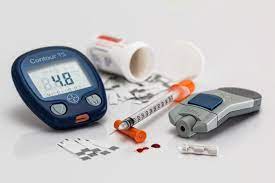
This guide explains diabetes in plain English for UK lorry, bus and car drivers, and what it means for your licence. If you already have diabetes and want the detailed DVLA rules, go straight to Can I drive an HGV with diabetes?
Book your HGV / D4 medical with Dr Stephen R Walton
Sheffield S12 -- £80 for 30 minute GP examination
How diabetes works
When you eat, carbohydrate is broken down into glucose, which passes into your blood. Insulin, a hormone made by the pancreas, moves that glucose into your cells to be used for energy. In diabetes the pancreas doesn't make enough insulin, or the body doesn't respond to it properly (insulin resistance), so glucose builds up in the blood. Over time, high glucose damages blood vessels and nerves. (Source: NHS: Diabetes.)
The main types of diabetes
Type 2 diabetes
The commonest type, accounting for about 90% of adults with diabetes in the UK (Diabetes UK). The body doesn't make enough insulin or the insulin doesn't work properly. It is linked to being overweight, being inactive, age, family history and ethnicity, and it often develops slowly over years. It is usually treated first with diet, activity and weight loss, then with tablets or injections and sometimes insulin.
Type 1 diabetes
An autoimmune condition in which the immune system destroys the insulin-making cells in the pancreas. It usually starts in childhood or young adulthood but can begin at any age. It is not caused by lifestyle, and it always needs insulin (NHS: Type 1 diabetes).
Prediabetes (non-diabetic hyperglycaemia)
Blood sugar that is higher than normal but not yet in the diabetes range. It means you are at high risk of type 2 diabetes, and that risk can often be reduced with lifestyle changes. See our article on prediabetes in HGV drivers.
Other types
Gestational diabetes develops during pregnancy and usually goes after the birth, but increases the later risk of type 2. There are also rarer types. (Source: Diabetes UK: types of diabetes.)
Symptoms of diabetes
The NHS lists these symptoms (NHS: Type 2 diabetes symptoms):
- peeing more than usual, particularly at night
- feeling thirsty all the time
- feeling very tired
- losing weight without trying
- itching around the penis or vagina, or repeatedly getting thrush
- cuts or wounds taking longer to heal
- blurred vision
Many people with type 2 diabetes have no symptoms at all, so it is often found on a routine blood test. Type 1 symptoms usually come on quickly over days or weeks. If you have symptoms, see your GP. For long-distance drivers, symptoms such as tiredness and blurred vision matter at the wheel too.
How diabetes is diagnosed
Diabetes is diagnosed with a blood test, usually the HbA1c test, which reflects your average blood sugar over the previous 2 to 3 months. In adults:
- HbA1c of 48 mmol/mol (6.5%) or above: diabetes
- HbA1c of 42 to 47 mmol/mol (6.0% to 6.4%): prediabetes (high risk of type 2)
(Sources: Diabetes UK: HbA1c; NICE PH38, type 2 diabetes: prevention in people at high risk.) Your GP may also use fasting or random glucose tests. The D4 medical does not test for diabetes, so don't rely on it as a check; if you're worried, ask your GP.
How diabetes is treated
Treatment aims to keep blood sugar in a healthy range and to reduce the risk of complications. For type 2 this usually starts with healthier eating, more activity and weight loss, followed by medicines if needed. Metformin is usually the first tablet; other options include gliptins, SGLT2 inhibitors, sulphonylureas such as gliclazide, GLP-1 injections and insulin (NICE NG28, type 2 diabetes in adults). Type 1 is always treated with insulin.
The choice of medicine matters to professional drivers, because some medicines can cause hypos and bring extra DVLA requirements. If you drive for a living, tell your diabetes team so they can take it into account. See diabetes medicines and HGV drivers.
Hypos: the main driving risk
A hypo (hypoglycaemia) is when blood glucose falls too low, usually below 4 mmol/L. It mainly affects people on insulin, sulphonylureas or glinides. Early signs include sweating, shaking, hunger, feeling anxious or irritable, and a fast heartbeat; it can progress to confusion and loss of consciousness (NHS: low blood sugar). For drivers on these medicines, DVLA sets glucose-testing rules and reporting rules for severe hypos; see blood sugar monitoring and driving.
Long-term complications
Over years, poorly controlled diabetes can damage the eyes (diabetic retinopathy), kidneys, nerves (especially in the feet) and blood vessels, increasing the risk of heart attack and stroke (NHS: Type 2 diabetes). Eye damage is especially relevant to drivers, because it can affect your visual field. Go to your NHS diabetic eye screening appointments.
What diabetes means for your driving licence
DVLA's rules depend on how your diabetes is treated, not on the diagnosis itself, because the main driving risk is hypoglycaemia (a "hypo"). Lorry and bus licences (Group 2) have stricter rules than car and motorcycle licences (Group 1).
| Treatment | Lorry / bus (Group 2) | Car / motorcycle (Group 1) |
|---|---|---|
| Diet and lifestyle only | No need to tell DVLA | No need to tell DVLA |
| Tablets or injections that don't cause hypos (e.g. metformin, gliptins, SGLT2 inhibitors, GLP-1 injections) | Tell DVLA: form VDIAB1GEN. Glucose testing not required by DVLA | Check with your doctor or nurse whether you need to tell DVLA; if so, form DIAB1 |
| Sulphonylureas (e.g. gliclazide) or glinides | Tell DVLA: form VDIAB1SG. Test at least twice daily and at times relevant to driving | Check with your doctor or nurse whether you need to tell DVLA; if so, form DIAB1 |
| Insulin | Stop driving lorries/buses and tell DVLA: form VDIAB1I. Strict testing and an annual consultant review | Tell DVLA (form DIAB1) if on insulin for more than 3 months, or if you've had hypo problems |
Whatever licence you hold, you must also tell DVLA about a severe hypo while driving, and about diabetes complications that affect driving, such as eye problems affecting your vision. Full details, including the testing rules and continuous glucose monitors (CGM), are on our page Can I drive an HGV with diabetes? Sources: GOV.UK Diabetes and driving; DVLA Assessing fitness to drive, chapter 3.
Diabetes and the D4 medical
The D4 form asks whether you have diabetes, how it is treated, whether you've had a severe hypo, and about laser treatment to the eyes. Bring a list of your medicines and, if you test your glucose, your meter or CGM. See how to fill in the D4 form.
Who is at risk?
Type 2 diabetes is more likely if you are white and over 40, or over 25 and from a South Asian, Chinese, Black African or Black Caribbean background; have a parent, brother or sister with diabetes; or are overweight and not very active. See Who is likely to become diabetic?
Frequently asked questions
What is the difference between type 1 and type 2 diabetes?
Type 1 is an autoimmune condition in which the body stops making insulin; it always needs insulin treatment. Type 2 is when the body doesn't make enough insulin or the insulin doesn't work properly. It is much commoner, linked to weight, inactivity, age, family history and ethnicity, and is often treated first with lifestyle changes and tablets.
What HbA1c level means diabetes?
In adults, an HbA1c of 48 mmol/mol (6.5%) or above indicates diabetes. A level of 42 to 47 mmol/mol (6.0% to 6.4%) indicates prediabetes, meaning a high risk of type 2 diabetes.
Do I have to tell DVLA if I have diabetes?
It depends on your treatment and licence. Diet-controlled diabetes doesn't need reporting. Lorry and bus drivers must tell DVLA if they take any diabetes tablets or injections (VDIAB1GEN, VDIAB1SG or VDIAB1I). Car drivers must tell DVLA if they've been on insulin for more than 3 months, or have had hypo problems (DIAB1).
Can I still drive a lorry if I have diabetes?
Usually yes. Most lorry and bus drivers with diabetes keep their licence. Drivers on insulin, gliclazide or similar medicines must meet extra DVLA conditions, including glucose testing and no severe hypos in the last 12 months.
Does the HGV medical test for diabetes?
No. The D4 asks about diabetes and its treatment, but it doesn't include a blood test for diabetes. If you're worried, ask your GP for a test.
Book your HGV medical
D4 medicals for lorry and bus drivers at Stonecroft Medical Centre, Sheffield S12: a full 30-minute examination with an NHS GP, including the eye test, for £80.
Book your HGV / D4 medical with Dr Stephen R Walton
Sheffield S12 -- £80 for 30 minute GP examination
Sources
- NHS: Diabetes
- NHS: Type 2 diabetes
- NHS: Type 1 diabetes
- NHS: Low blood sugar (hypoglycaemia)
- Diabetes UK: Types of diabetes
- Diabetes UK: HbA1c
- NICE NG28: Type 2 diabetes in adults
- NICE PH38: Type 2 diabetes prevention in people at high risk
- GOV.UK: Diabetes and driving
- DVLA: Assessing fitness to drive (chapter 3)
Related guides
- Who is likely to become diabetic?
- Can I drive an HGV with diabetes?
- Blood sugar monitoring and driving
- Diabetes medicines and HGV drivers
- Prediabetes in HGV drivers
- HGV and diabetes hub
- Medical conditions car drivers must tell DVLA about
- Download the D4 form
- HGV medical FAQ
- Book your HGV / D4 medical with Dr Stephen R Walton
Sheffield S12 -- £80 for 30 minute GP examination